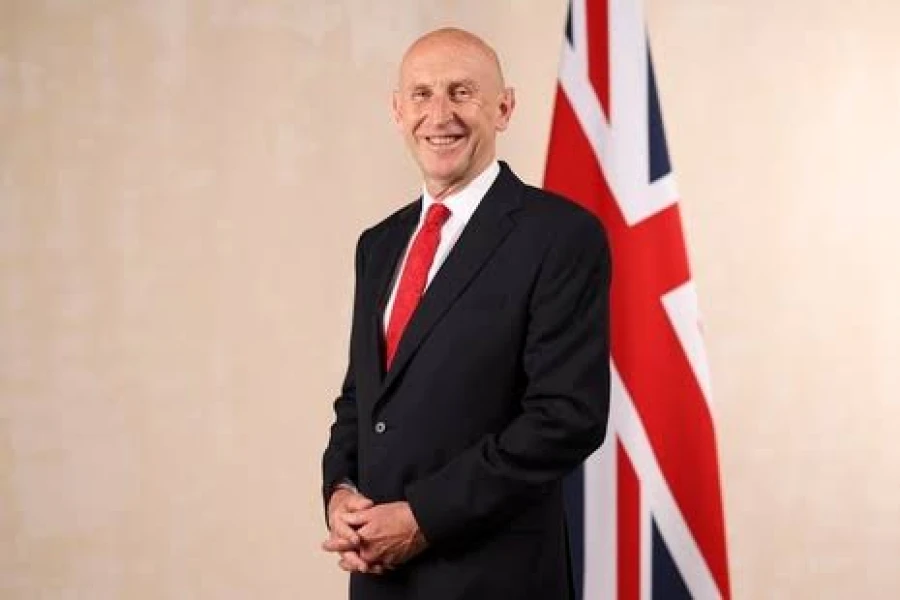
British Defence Secretary John Healey has quit, followed shortly by his aide, Pamela Nash, and Al Carns, the UK’s armed forces minister.
Commentators see his move as a damning indictment on the Prime Minister’s commitment to defend the UK against the threats it faces from countries such as Russia.
Healey’s resignation letter has highlighted what he believes is the government’s unwillingness and inability to defend its shores.
The former minister was upset that less than half the money the military wanted was going to be made available, representing just a 0.08% GDP increase.
In his letter to Keir Starmer, Healey said: “You know what defence needs…You made the argument for this powerfully at the Munich Security Conference back in February. Without a DIP that meets the moment in this way, I am being forced to make decisions that would reduce the readiness of our Forces and increase the risk to personnel on operations, and could make the country less safe.”
He argued that the latest version of the Defence Investment Plan he was presented with on Monday: “…falls well short of what is required for defence and the country at this dangerous time.”
It would see defence spending rise to just 2.68% of GDP by 2030, up from 2.6% expected to be reached next year.
“After explaining to you that I would not be able to accept a DIP settlement that does not give our Forces the resources they need, I am now left with no other option than to submit my resignation as your Defence Secretary.”
The long delayed Defence Investment Plan has been expected for some time, but arguments within Labour’s top ranks have delayed its publication. Government ministers have defended their departments, fighting cuts which would have had to be made to afford greater spending on the military.
Chancellor Rachel Reeves is also thought to have resisted the idea of tax rises to pay for the increased defence budget.
Former army officer Dan Jarvis is Healey’s replacement, moving from a junior ministerial post at the Home Office.
It will be his job to “sell” the Defence Investment Plan to the Labour Party, Parliament and the British public.